What to Do When a Storm Damages Your Roof
When a severe storm rolls through, the roof takes the brunt of the force. High winds, heavy rain, and hail can leave damage that is not always obvious from the ground. Acting quickly after a storm can prevent small problems from turning into major repairs. Knowing what to look for and how to respond helps protect both your home and your peace of mind.
Start With a Safe, Careful Inspection
Safety comes first. Never climb onto a roof when surfaces are wet, slippery, or unstable. If you suspect serious structural damage, stay off entirely and call a professional. A roof inspection from the ground is a good first step. Walk around the house and look for visible signs of trouble: missing shingles, dented metal flashing, or debris that has piled up. Binoculars can help you check gutters, valleys, and ridge lines without putting yourself at risk.
Inside the house, check the attic or top-floor ceilings for water stains, drips, or daylight coming through the roof deck. Stains that appear soon after a storm often indicate that the roofing material has been compromised. Even a small leak can soak insulation and lead to mold growth within a short time. Mark any spots you find with chalk or tape so a contractor can locate them quickly.
Document Everything for Your Records
If you plan to file an insurance claim, photos are your best evidence. Take wide shots of the whole roof from several angles, then zoom in on specific damage. Photograph the interior stains or leaks as well. The date and time on your phone or camera provide a useful timestamp. Keep a written list of what you observed and when. This documentation matters because insurance adjusters often work from the same set of facts you provide.

Common Types of Storm Damage
Storms affect roofs in several ways. High winds can lift shingles or tiles, leaving the underlayment exposed. Rain then drives moisture into the gaps. Hail damage shows up as dents or cracks in asphalt shingles, or as small punctures in metal panels. Falling tree limbs or flying debris can punch holes or scrape away protective granules. Each type of damage needs a different repair approach, but all of them share one thing: the sooner you address them, the less costly the fix.
Missing shingles are a common result of strong gusts. Even a single missing shingle creates an opening for water. Over time, the surrounding shingles may loosen as well. A roof leak can start small and grow quickly if the roof deck gets soaked. After a storm, it is wise to have a professional inspect the entire roof surface, including flashings around chimneys, vents, and skylights. Those edges are vulnerable spots where water often finds its way in.
Hail Damage: Not Always Obvious
Hail can leave a roof looking like it has been peppered with buckshot. On asphalt shingles, the impact knocks away the granules that protect against UV rays and water. Over time, those bare spots weaken and can lead to premature failure. On metal roofs, hail leaves dents that may not leak immediately but can trap moisture and cause corrosion. A roof inspection after a hailstorm should include a close look at all flat and low-slope areas where hail tends to accumulate and cause the most harm.
Hail damage is one of those problems that does not always announce itself with a leak. The damage may be cosmetic at first, but the roof's lifespan has been shortened. That is why storm restoration experts often recommend a full assessment even if no water is coming through. Catching hail damage early can save you from a full roof replacement later.
When to Call a Professional
Some homeowners are tempted to patch a roof themselves, but storm damage roofing often involves more than a simple repair. Loose shingles may indicate that the fasteners have been compromised across a large area. Hail damage can be widespread and require matching the existing material. A professional can identify hidden problems, such as lifted underlayment or cracked decking, that are not visible from a ladder.

If you are dealing with storm damage roofing, a contractor who specializes in storm restoration will know how to work with insurance companies. They can provide detailed estimates and documentation that support your claim. Many reputable firms offer temporary tarping to stop leaks immediately, then schedule permanent repairs once the weather clears. This two-step approach prevents further water intrusion while you wait for materials or adjuster approval.
What a Professional Inspection Covers
A thorough inspection includes checking the roof structure, decking, underlayment, flashing, and all penetrations. The inspector looks for signs of wind uplift, where the roof has lifted and settled back, creating gaps. They also examine the condition of the gutters and downspouts, which can be clogged with granules or debris after a storm. If the damage is severe, they may recommend a roof replacement rather than a series of repairs. A good contractor explains the reasoning behind each recommendation so you understand the trade-offs.
Working Through Insurance Claims
Storm damage is typically covered under standard homeowners insurance policies, but the claims process requires care. Contact your insurer as soon as you have documented the damage. They will send an adjuster to inspect the property. Be present during the inspection if possible. Point out the areas you found during your walk-around. Having your own inspection notes and photos helps ensure nothing is overlooked.
Keep in mind that insurance policies have deductibles and coverage limits. Some policies have separate deductibles for wind or hail damage. Ask your adjuster about the specific terms of your plan. If the damage is extensive, the difference between a repair and a replacement can be significant. A contractor who has experience with storm claims can help you and your adjuster reach a fair assessment.
Preventing Future Storm Damage
Once your roof is repaired or replaced, consider steps to make it more resilient. Impact-resistant shingles, properly installed underlayment, and reinforced flashing all improve a roof's ability to withstand severe weather. Regular maintenance, such as cleaning gutters and trimming overhanging branches, reduces the risk of debris damage. A yearly roof inspection before storm season starts can catch worn areas before they fail.
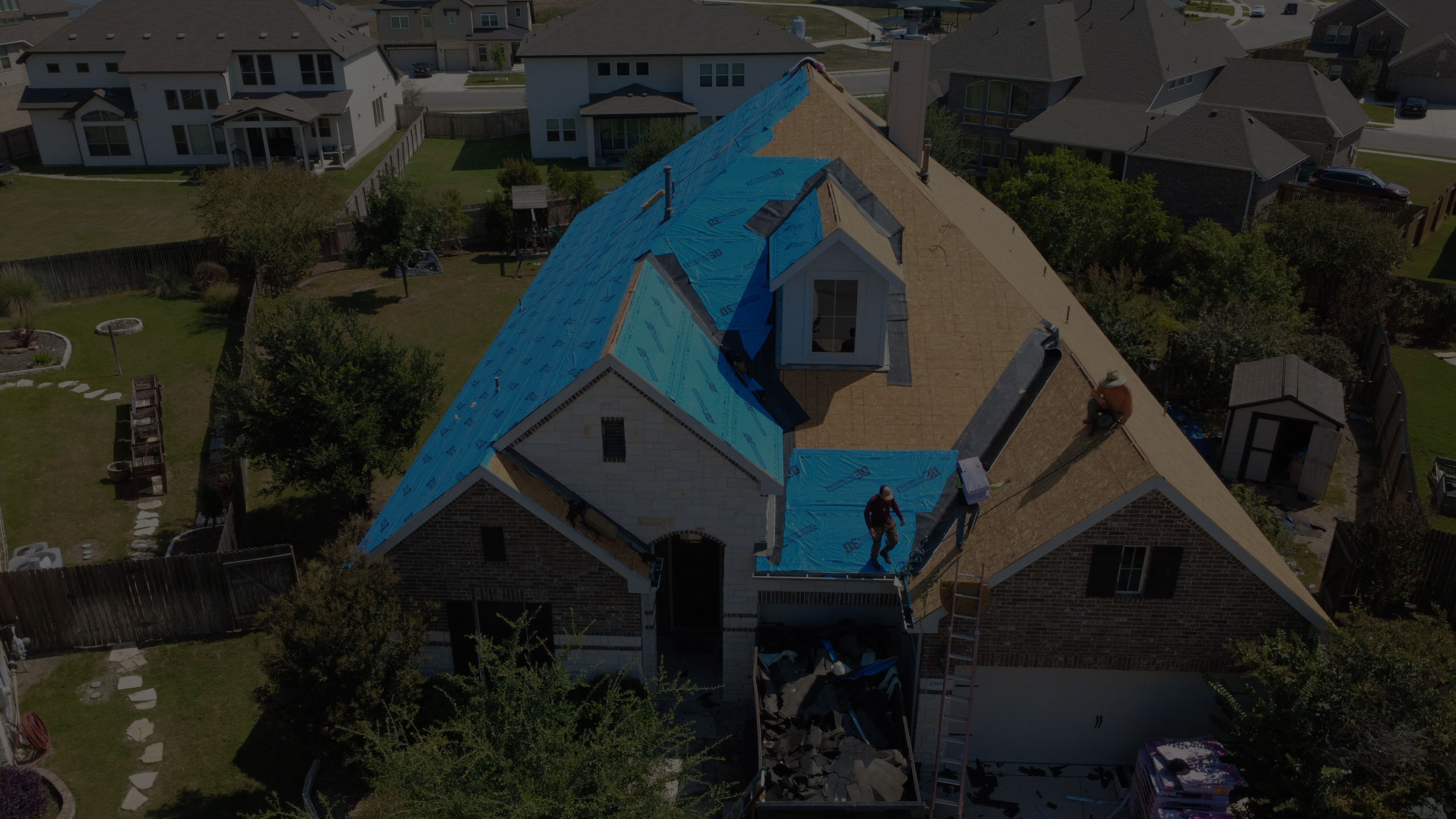
No roof is indestructible, but a well-maintained one gives you the best chance of walking away from a storm with only minor issues. When problems do arise, acting quickly and working with professionals keeps the situation manageable. Storm damage is stressful enough without the added worry of a leak that might have been stopped early.
Final Thoughts
After a storm passes, the roof is the part of the house that needs attention first. A calm, methodical approach - inspect from the ground, document what you see, call a professional, and file your claim promptly - makes the whole process smoother. The phrase "storm damage roofing" may sound like a technical term, but it really describes a straightforward set of actions: look, assess, and repair. By following those steps, you protect your home and avoid the cycle of repeated small fixes that can lead to a much bigger expense down the road.
Ends · GETSTORMDAMAGEROOFINGNEWS